What a Breaker Is Actually Protecting
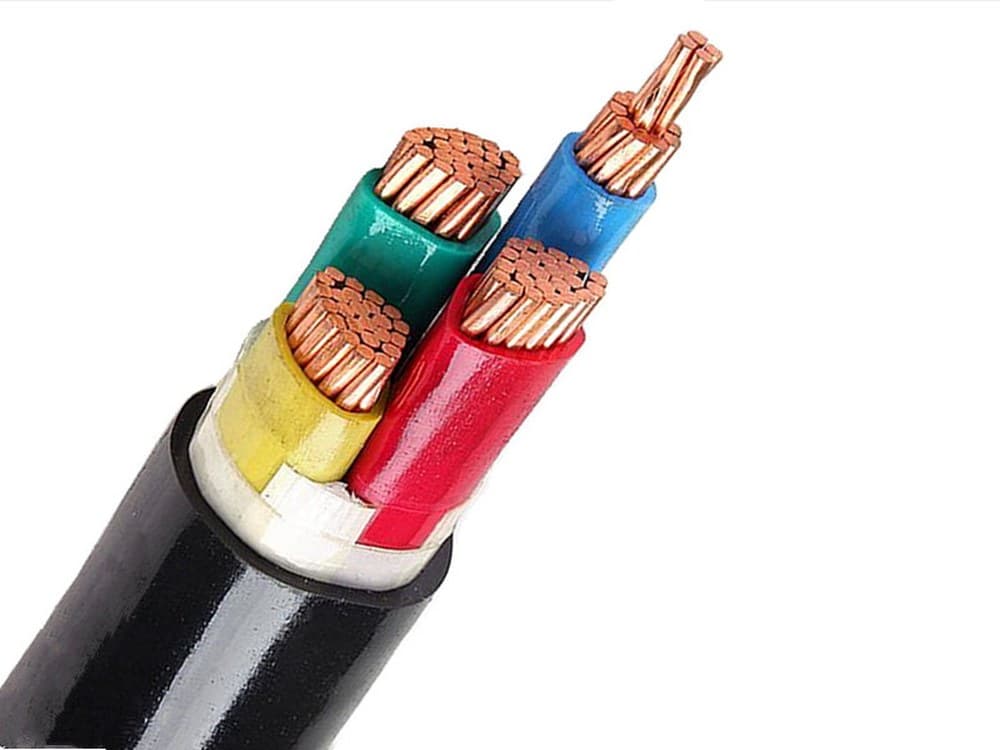
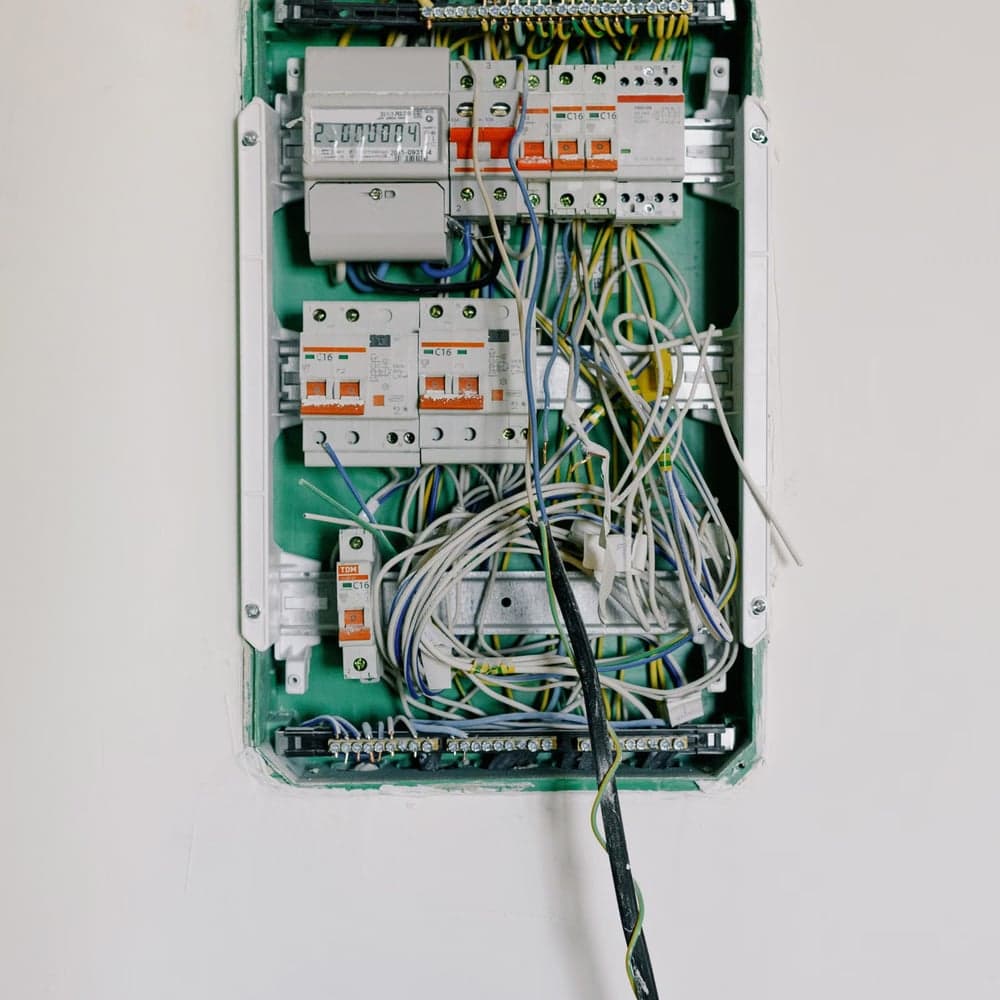
A miniature circuit breaker (MCB) trips and cuts power the moment a circuit draws more current than the cable feeding it can safely carry. Match the breaker rating to the cable, not just to the appliance — a breaker rated too high for its cable won't trip before the cable overheats.
Common Breaker Ratings
| Breaker Rating | Typical Circuit |
|---|---|
| 6A | Lighting circuits |
| 10A | Small appliance circuits |
| 16A | General socket circuits |
| 20A | Ring main sockets |
| 32A | Cookers, air conditioners, water heaters |
| 63A | Main switch / sub-main incomer |
Picking the Right Distribution Board Size
- 4-way board — a studio or single-room setup with few separate circuits.
- 8-way board — the standard fit for a 2–3 bedroom flat: lighting, sockets, kitchen, AC and a couple of spares.
- 12-way board — larger homes or duplexes running more circuits (multiple AC units, water heater, cooker, outbuildings).
- Three-phase boards — commercial and industrial sites where the incoming supply itself is three-phase, splitting the load evenly across phases.
Earth Leakage Protection & Changeover Switches
An earth leakage circuit breaker (ELCB) or RCD trips on a leakage current — current escaping to earth through a fault, not through the normal circuit path — which is what actually protects a person from electric shock, as distinct from what an MCB does for overload and short-circuit protection. It's worth including on bathroom, kitchen and outdoor circuits in particular.
A changeover switch lets a building swap between public supply and a generator without ever having both connected at once — doing that manually with a generator feeding back into a live public supply line is a serious safety hazard, for the building and for anyone working on the line outside.
Trade note: Breaker and board sizing here is general guidance. For anything beyond a standard residential board, have the final specification confirmed by a qualified electrician.