Four Cable Types, Four Jobs
Every build site ends up buying more than one kind of cable, because no single cable is right for every job. Mixing them up — running flat Twin & Earth underground, say, instead of armoured SWA — either wastes money or creates a real safety problem. Here's how to tell them apart and where each one belongs.
Comparison at a Glance
| Cable Type | Best For | Installation | Mechanical Protection | Core Colours |
|---|---|---|---|---|
| Single-Core PVC | Lighting circuits, wiring inside conduit | Inside buried or surface PVC conduit | Low — relies on the conduit | Red/black or brown/blue, green-yellow earth |
| Flat Twin & Earth | 13A sockets, general power circuits | Surface-clipped or chased into plaster | Low to medium | Brown (live), blue (neutral), bare/green-yellow (earth) |
| Flexible Cord (3-core round) | Appliance leads, portable equipment | Plug-in, not fixed wiring | Low | Brown/blue/green-yellow |
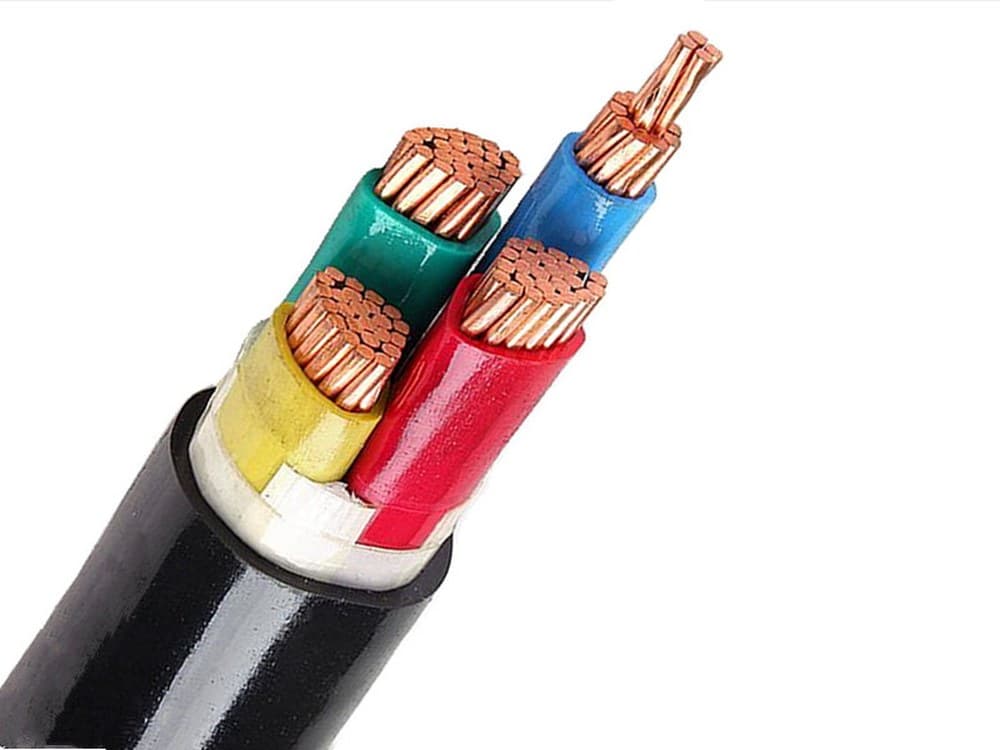
| Armoured SWA | Underground feeds, generator runs, sub-mains | Direct burial or outdoor surface clipped | High — steel wire armour | Black outer sheath, numbered cores inside |
Choosing by Project Stage
- Running conduit inside walls or ceilings before plastering? That's single-core PVC territory.
- Wiring up sockets and general power once the conduit's in? Flat Twin & Earth.
- Taking power from the meter, a generator, or between buildings, especially underground? Armoured SWA — the steel wire armour is what protects the cable from impact, rodents, and soil movement.
- Connecting a fixed appliance like a cooker or water heater with a plug? A flexible cord rated for the appliance's load.
Trade note: If you're not sure which cable a specific run needs, send us the circuit (what it feeds, how far it runs, indoor or buried) on WhatsApp and we'll confirm before you order.